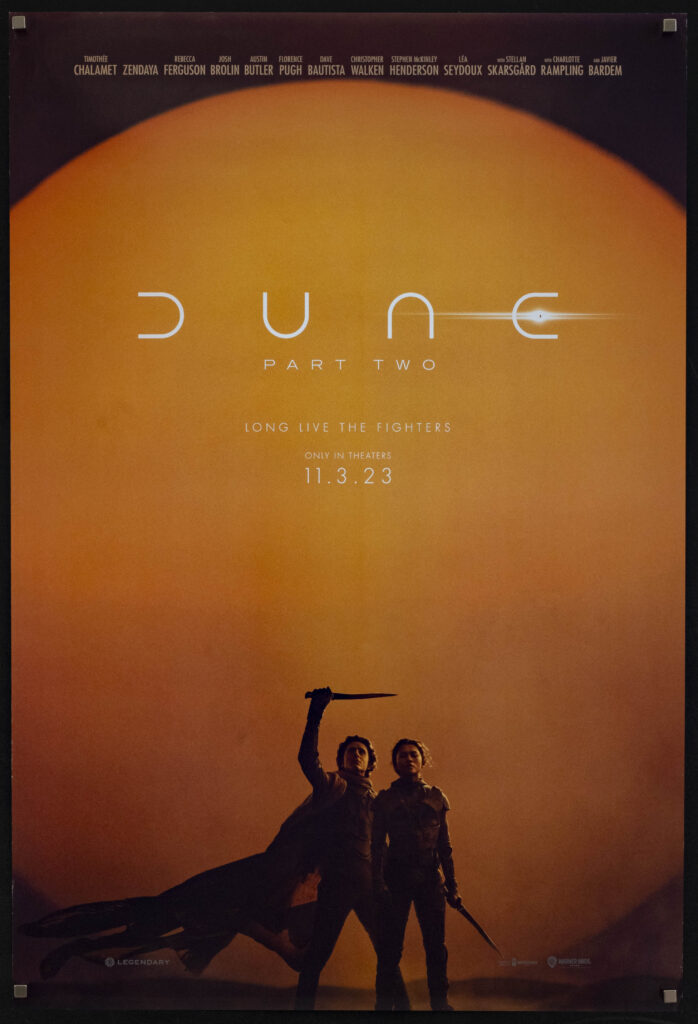

The Whole Story, Significance, Characters, and Resolution Explained


Dune: Part Two is more than just a science fiction film. It is a profound tale about control, fear, love, power, and belief. People from all over the world began looking for explanations of Dune: Part Two, the film’s conclusion, and Paul Atreides’ significance once it was released. This demonstrates how well the film has resonated with viewers.
Paul Atreides’ voyage on the desert planet Arrakis is continued in the movie. Paul is initially a devastated young man who has lost both his house and his family. He gradually develops into a much more formidable and dangerous person. Dune: Part Two is unique because of this metamorphosis. The film poses a crucial query: Is Paul turning into a despot or is he still a hero?
You will find a very straightforward, human-written, and search engine-friendly description of Dune: Part Two in this article. We will discuss its plot, characters, politics, emotions, hidden meanings, conclusion, and future. Every section is written in an easy-to-understand manner.
Paul Atreides Power Transformation Journey
The central theme of Dune: Part Two is Paul Atreides’ voyage. Paul initially has no desire for authority. All he wants is to survive. He is avoiding his fate because he fears what it will make him. Paul feels incredibly human because of this anxiety.
Paul spends more time with the Fremen as the narrative progresses. He discovers their customs, hardships, and strong faith in prophecy. People gradually begin to view Paul as a messiah rather than a man. The true risk starts here.
Paul’s power increases in three ways: political dominance, cerebral clarity, and physical prowess. His future visions become more distinct. He begins to see deaths, devastation, and conflicts in his name. Paul starts to acknowledge that this brutality might be required to win rather than try to stop it.
Paul feels he has no other option, which is what makes this shift frightening. Power, he convinces himself, is the only thing that can save the people he cares about. Although this concept seems reasonable, it conceals a more sinister reality. Someone stops listening to others when they think they are always correct.
Paul is no longer merely surviving by the end of Dune: Part Two. He is leading armies, forming ideologies, and determining the destiny of worlds. His experience demonstrates how, although initially having good intentions, power gradually alters a person from the inside out.
Symbolism and Significance of the Arrakis Desert
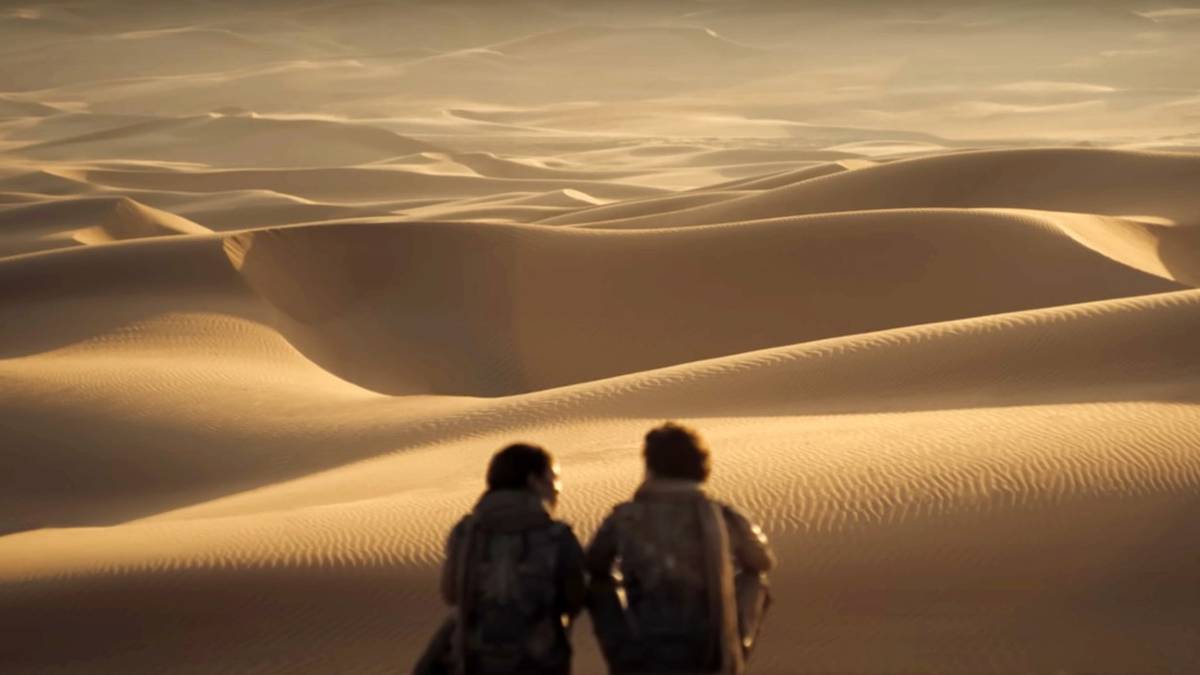
Arrakis is more than just a desert world. Arrakis is a symbol of truth, sacrifice, and hardship in Dune: Part Two. People are forced to reveal their true selves due to the tough surroundings. On Arrakis, there is only survival and no solace.
Patience is taught in the desert. It imparts discipline. Because they value the land, the Fremen are able to live. They don’t waste water. They are cautious. They pay attention to the earth. Compared to the foreigners who travel to Arrakis simply to consume spice, this is quite different.
The most valuable material in the universe is spice. It bestows control, riches, and power. However, spice can also lead to addiction. This is a potent symbol. It demonstrates how empires may be subjugated by greed. In Dune: Part Two, many conflicts are not motivated by honor or justice. They have to do with spice.
The sandworms have profound significance as well. They are not malevolent beings. They are the planet’s protectors. Riding a sandworm is a spiritual challenge as well as a physical one. Paul demonstrates that he has fully assimilated with Arrakis when he rides a sandworm.
Lies are stripped away by the desert. It displays strength, weakness, and the willingness to sacrifice others in order to gain power. Arrakis in Dune: Part Two feels like a real character because of this.
Fremen Culture Faith, And Beliefs
One of the most significant aspects of Dune: Part Two is the Fremen. Their culture is based on solidarity, faith, and survival. Every custom they adhere to serves a purpose. Not even tears are wasted.
For Fremen, faith is very important. They consider prophecy to be true. They think that one day a selected leader will arrive and alter their destiny. They have hope because of this conviction, but it also leaves them open to exploitation.
Paul takes some time to grasp this. He first respects their beliefs. He makes use of them later. The audience feels uneasy as a result. Is Paul utilizing the Fremen’s religion for his own advantage, or is he releasing them?
The voice of skepticism is represented by Chani. Despite her affection for Paul, she is afraid of what he is becoming into. The movie uses her to illustrate how blind faith can obliterate reality. The Fremen are valiant and honorable, yet they are unable to challenge Paul’s actions because they believe in prophesy.
Faith can offer power, but it can also take away freedom, as Dune: Part Two demonstrates. Leaders turn become gods, and gods turn into tyrants when people stop thinking for themselves.
Political Power And Galactic Control
Dune: Part Two’s politics are intricate yet incredibly realistic. Power, fear, and control are the driving forces behind all significant decisions. People are unimportant to empires. Resources are important to them.
Fear, not respect, is how the Emperor rules. The Great Houses pretend to abide by the rules while engaging in combat. Betrayal is frequent, and alliances are fleeting. Because ambition is the foundation of our universe, it feels harsh and frigid.
Paul enters this political structure as a weapon rather than as a ruler. He is aware that using violence will compel others to comply. His ascent demonstrates how political structures value power above morality.
One of Dune: Part Two’s most potent lessons is that politics frequently transforms good intentions into destructive deeds. Paul thinks he is bringing about peace, yet his strategies lead to never-ending conflict.
This is a reflection of actual history. Many leaders start off as rescuers before turning into destroyers. The film doesn’t provide simple solutions. It merely displays the price of electricity.
Dune Part Two Ending Explained
Dune: Part Two has a potent and unsettling conclusion. Paul prevails, but it doesn’t seem like a win. He seizes power, vanquishes his adversaries, and establishes himself as emperor. However, he envisions a bloody future.
Paul prioritizes power above affection. When Chani discovers the truth, their romance ends. Paul has acknowledged that millions of people will perish in his name in the future. This is the movie’s most heartbreaking scene.
We learn from the conclusion that success does not always equate to happiness. Paul turns into what he was afraid of. The prophecy comes true, but at a horrible price.
This is not supposed to be a happy ending. It is intended to provoke thought among the audience. Absolute power inevitably necessitates sacrifice, as Dune: Part Two concludes.
Future Of Dune Storyline
The story’s future appears bleak after Dune: Part Two. There will be no peace under Paul’s authority. In his visions, the universe is engulfed in never-ending conflict.
This lays the groundwork for upcoming movies. The narrative will probably examine consequences, resistance, and guilt. Even if Paul is the ruler of the universe, the consequences of his decisions will always follow him.
There is more to Dune’s future than just fighting. It has to do with accountability. It raises the question of who should have such authority.
Conclusion
Dune: Part Two is a profound, poignant, and perceptive movie. Space and activity are only two aspects of it. It has to do with human nature. It demonstrates how power upsets equilibrium, how fear produces leaders, and how faith produces followers.
Long after it’s over, the film lingers in your mind. It makes you reevaluate your beliefs, heroes, and fate. Dune: Part Two is therefore more than just a film. It’s an encounter.
FAQs, or frequently asked questions
Q1: Is it worthwhile to see Dune: Part Two?
Indeed, it is among the most potent science fiction movies ever produced.
Q2: Is Paul Atreides a villain or a hero?
He begins as a hero but gradually transforms into something far more sinister.
Q3: What is Dune: Part Two’s primary message?
The peril of fate, blind trust, and power.
Q4: Is there going to be another Dune film?
Yes, the plot obviously foreshadows next movies.
Q5: Is there a political connection between Dune: Part Two and the real world?
Yes, power conflicts and actual history are strongly reflected in its themes.